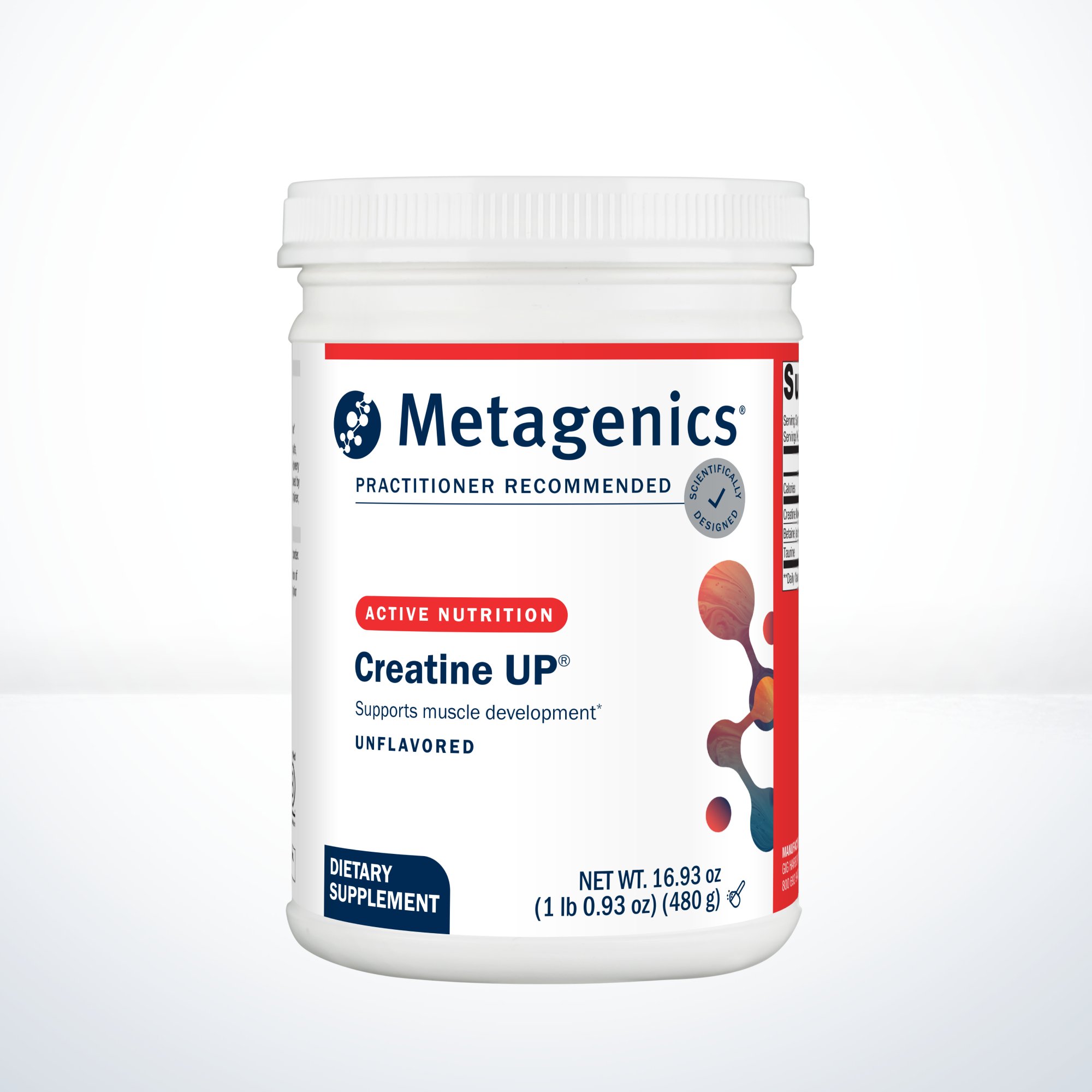
Why creatine matters more in peri/menopause
As estrogen declines, creatine availability may decline too, and that same hormonal shift is linked with muscle loss. Over time, sustained muscle loss can progress into sarcopenia—and that affects far more than how “toned” you look.
Less muscle can mean:
-Easier weight gain
–Higher fall risk and fracture risk (including hip fractures)
–Reduced strength, power, and daily function
-Progression of incontinence and prolapse—because pelvic floor muscles are still muscles
Many women think Creatine is just for athletes or bulky men at the gym, but that’s not true at all. Some think it causes bad weight gain, when the typical increase is just water inside the muscle… Great for supporting performance and recovery. And others think “If you don’t lift heavy, you don’t need it.” These are just some myths around Creatine.
Creatine is a compound your body makes on its own. It’s found mainly in animal foods (like beef and fish), so people who eat vegetarian/vegan—or just not much meat—often have lower stores.
It also helps your body regenerate ATP, your cells’ quick energy source. When stores are low, it can be harder to “recharge” energy fast—showing up as lower training output and more fatigue. There’s solid evidence creatine can support strength, training quality, and muscle retention/gain, especially when combined with strength training